
Are you tired of running out of hot water during your morning shower? Or perhaps you're looking to cut down on energy bills while boosting your home's efficiency? If so, it might be time to consider going tankless. Tankless water heaters are rapidly gaining popularity among homeowners in Burleson, TX, and for good reasons. These innovative systems offer endless hot water, substantial energy savings, and a sleek design that frees up valuable space. But before you make the leap, it's crucial to understand the essentials of tankless water heater installation.
Are you ready to dive into the world of tankless water heaters and discover how they can transform your home's hot water system?
Key Takeaways for Homeowners on Tankless Hot Water Heater Installation
- Energy Efficiency: Tankless water heaters heat water on demand, significantly reducing energy consumption
- Endless Supply: Enjoy continuous hot water without ever running out, even during peak usage times
- Space-Saving Design: Compact and wall-mounted, these units free up space previously occupied by bulky tanks
- Choosing the Right Model: Understand your hot water needs and compare brands to find the best fit for your home
- Installation Tips: Decide between DIY or professional installation for a seamless transition to tankless technology
Understanding the Benefits of a Tankless Water Heater
Switching to a tankless water heater offers numerous perks that can make a significant difference in your daily life and energy bills. These modern systems are designed to heat water only when you need it, eliminating the need for a large storage tank and reducing energy waste. Let's take a closer look at some of the compelling benefits that make tankless water heaters an attractive option for homeowners in Burleson, TX.
Energy Efficiency and Savings
Tankless water heaters shine when it comes to energy efficiency. Traditional water heaters maintain a reservoir of hot water, continuously using energy to keep it at a set temperature. In contrast, a tankless system heats water on demand. This approach can reduce energy consumption by up to 30%, leading to noticeable savings on your utility bills. With energy-efficient models, you may also qualify for tax credits and incentives, further easing the financial burden of the initial investment.
Moreover, the environmental benefits of tankless systems shouldn't be overlooked. By reducing energy usage, these heaters contribute to a lower carbon footprint. This makes them an environmentally friendly choice for eco-conscious homeowners. Whether you opt for electric models or other types, tankless water heaters deliver a cost-effective solution that aligns with modern sustainability goals.
Endless Hot Water Supply
Imagine never having to argue over who gets to shower first in the morning. With a tankless water heater, you can enjoy an endless supply of hot water, even during peak usage times. This is especially beneficial for large families or households where multiple people need to use hot water simultaneously. You can run the dishwasher, take a shower, and do laundry all at the same time without the fear of running out of hot water.
Tankless units provide immediate hot water, eliminating the wait time associated with traditional heaters. As soon as you turn on the hot water faucet, you'll experience a consistent and reliable supply of hot water. This not only adds comfort to your daily routine but also enhances the overall convenience of your home.
Space-Saving Design
One of the most appealing aspects of tankless water heaters is their space-saving design. Unlike bulky traditional tanks, tankless units are compact and can be easily mounted on a wall. This frees up valuable space in your home, allowing you to utilize the area for other purposes. Whether you install the system indoors or outdoors, the sleek design of tankless systems complements modern home aesthetics.
Furthermore, the flexibility in installation locations means you can place the unit in a convenient spot that suits your layout. This adaptability is particularly advantageous for smaller homes or apartments where space is at a premium. By removing the need for a large tank, you'll gain both practical space and a cleaner, more streamlined look for your home.
Choosing the Right Tankless Water Heater for Your Home
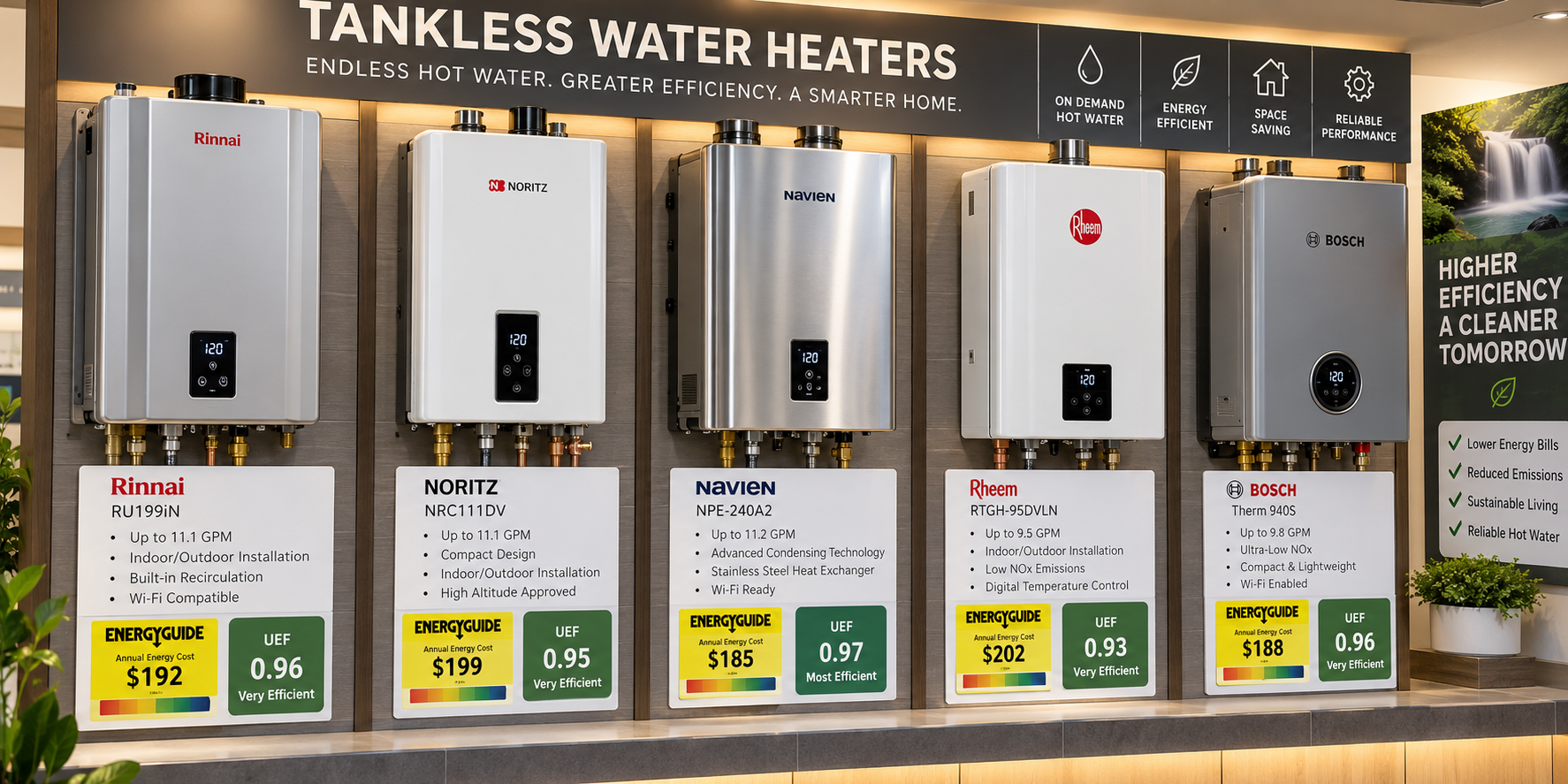
Selecting the right tankless water heater involves more than just picking a model off the shelf. You need to assess your specific hot water needs, compare different brands and models, and weigh the costs versus the long-term savings. Let's delve into the factors you should consider to ensure you choose the perfect unit for your home.
Assessing Your Hot Water Needs
Before you can select the right tankless water heater, you need to understand your household's hot water needs. Start by calculating your peak hot water usage. This involves considering the number of bathrooms, appliances, and people in your home. Larger families will require models with higher flow rates to meet demand efficiently.
Don't forget to account for seasonal variations in hot water usage. For instance, you might need more hot water during colder months. By understanding your usage patterns, you can choose a unit that provides the right capacity and performance for your family size and lifestyle.
Comparing Brands and Models
When it comes to selecting a tankless water heater, comparing brands and models is crucial. Research reputable brands known for reliability and durability. Customer reviews are a valuable resource, offering insights into product performance and satisfaction. Pay attention to warranties and customer service offerings, as these can provide peace of mind in the long run.
Energy efficiency ratings are also an important consideration. Look for models that maximize savings and performance. Whether you're considering tankless gas heaters or electric models, make sure to evaluate the features and benefits of each option. This thorough comparison will help you make an informed decision that aligns with your needs and budget.
Considering Initial Costs and Long-term Savings
The initial cost of a tankless water heater can vary based on brand, size, and features. While the upfront investment may be higher than traditional heaters, it's essential to consider the long-term savings on energy bills. In many cases, the energy savings will offset the initial investment over time.
Additionally, explore available rebates and incentives that can significantly reduce upfront costs. A cost analysis will help you evaluate the return on investment, ensuring you make a choice that benefits you both financially and functionally. Remember, a professional installation can also impact the overall cost, so factor that into your calculations.
Preparing Your Home for Tankless Installation
Before you can enjoy the benefits of a tankless water heater, you'll need to prepare your home for the installation process. This involves evaluating your existing plumbing setup and checking electrical or gas line requirements to ensure compatibility with the new system.
Evaluating Your Existing Plumbing Setup
Start by inspecting your current plumbing setup for compatibility with tankless systems. In some cases, older homes may require upgrades to accommodate the new technology. Proper pipe sizing is crucial to ensure adequate water flow and pressure, so it's wise to have a professional inspection to identify any potential issues before installation.
An inspection will also reveal if any components, such as an expansion tank or old unit, need to be removed or upgraded. By addressing these concerns ahead of time, you can prevent disruptions during the installation process and ensure optimal performance of your new tankless water heater.
Checking Electrical or Gas Line Requirements
Next, determine if your home has the necessary electrical capacity for an electric tankless model or if gas line upgrades are needed for a gas unit. Consulting with professionals is essential to assess safety and compliance with regulations. Proper venting options must be compatible with your chosen system to prevent issues down the line.
Whether you're considering an electric or gas model, utility requirements play a critical role in the installation process. A professional can help you navigate these requirements and make any necessary adjustments to ensure a safe and efficient installation.
Planning the Installation Location
Choosing the right installation location is vital for the efficiency and longevity of your tankless water heater. Opt for a spot that's easily accessible for maintenance and near water sources and power supply. Proper ventilation is crucial for the safe operation of gas units, so avoid placing them in areas with extreme temperature fluctuations.
Consider the space allocation carefully, as this will impact the ease of installation and future maintenance. By planning the installation location thoughtfully, you can ensure a seamless and successful transition to a tankless system.
DIY vs. Professional Tankless Water Heater Installation
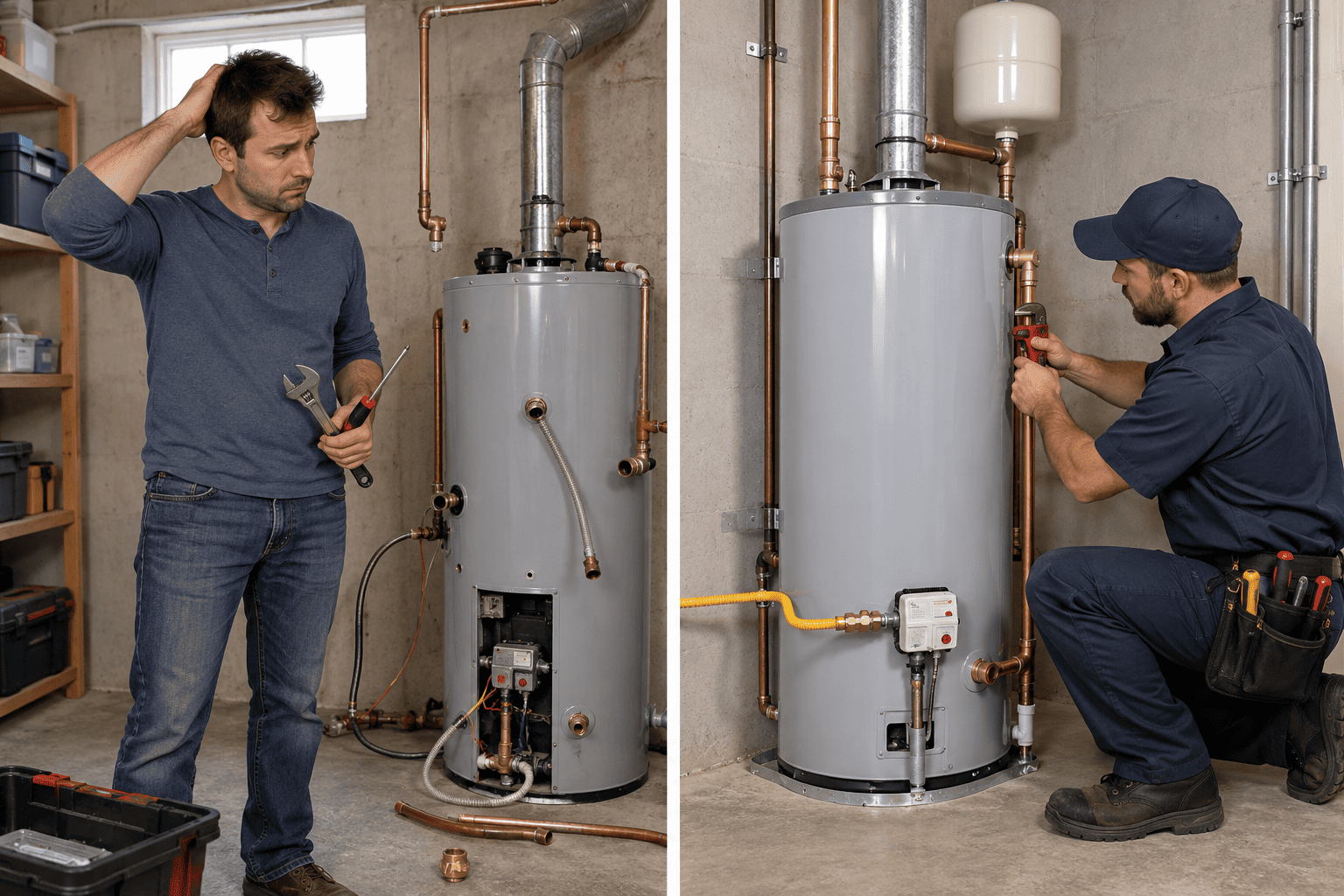
Once you've prepared your home, the next step is deciding whether to tackle the installation yourself or hire a professional. Both options have their pros and cons, and the right choice depends on your technical skills, comfort level, and budget.
Pros and Cons of DIY Installation
Taking the DIY route can save you money on labor costs, but it's important to weigh the risks. DIY installation requires technical skills and a thorough understanding of the installation process. Inexperienced installers may risk voiding warranties with improper setup, leading to costly repairs or inefficient operation.
However, if you're confident in your abilities, there are comprehensive guides and videos available to aid in successful DIY installations. Just remember, mistakes can be costly, so it's essential to follow instructions carefully and be prepared for the challenges that may arise.
Benefits of Hiring a Professional
Hiring a professional for your tankless water heater installation offers several benefits. Professionals ensure a safe and compliant installation, adhering to all necessary regulations. Experienced installers can troubleshoot issues quickly and effectively, providing peace of mind and expert craftsmanship.
Moreover, professional installation keeps warranties intact, offering additional protection for your investment. While it may involve a higher upfront cost, the security and efficiency gained from professional expertise are invaluable, ensuring your tankless water heater operates smoothly and efficiently.
Finding a Qualified Installer in Burleson, TX
If you decide to hire a professional, finding a qualified installer in Burleson, TX is crucial. Local directories and online reviews are excellent resources for identifying reputable installers. Seek recommendations from friends or neighbors who have had successful experiences with local services.
Verify the credentials and experience of potential installers, and don't hesitate to ask questions about their qualifications and past projects. Obtaining multiple quotes allows you to compare costs and services offered, ensuring you choose the best professional for your needs.
Steps to a Successful Tankless Installation
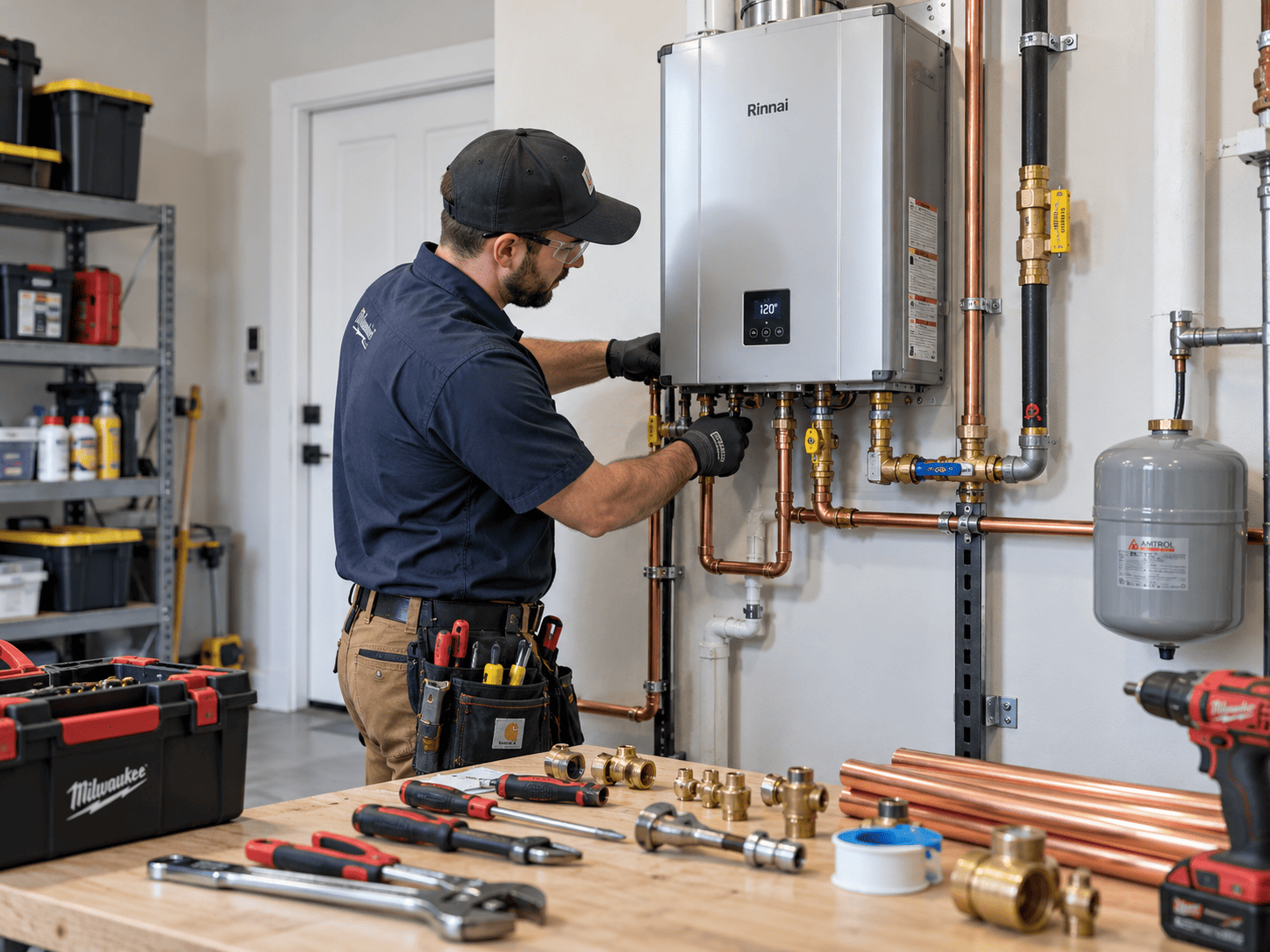
With your home prepared and a decision made on installation method, it's time to dive into the steps for a successful tankless installation. Whether you're going the DIY route or hiring a professional, understanding the process will help you achieve the best results.
Gathering Necessary Tools and Materials
Before you begin, gather all the necessary tools and materials for the installation. Essential tools include pipe wrenches, screwdrivers, and pliers. You'll also need all the necessary fittings and connectors for a seamless installation. Be sure to consult the manufacturer's manual, which provides detailed lists of required materials.
Safety gear is crucial for protection during installation, so don't forget to have it on hand. Proper preparation with the right tools and materials will streamline the installation process and reduce the risk of errors.
Removing the Old Water Heater
Start by safely disconnecting and draining the existing water heater. Follow safety precautions to avoid accidents during the removal process. Dispose of the old unit according to local regulations, ensuring compliance with environmental guidelines.
Once the old heater is removed, clear the installation site for easy access to pipes and connections. Inspect and repair any damaged plumbing exposed during the removal, ensuring a clean slate for the new tankless unit.
Installing the Tankless Unit
Now it's time to install the new tankless unit. Follow the manufacturer's guidelines to mount the unit securely. Connect the water lines, ensuring tight seals to prevent leaks. Carefully follow the wiring instructions for safe electrical or gas connections.
Once the installation is complete, test the system thoroughly to confirm proper operation and efficiency. This final step is crucial to avoid any issues post-installation and to enjoy the full benefits of your new tankless water heater.
Navigating Plumbing Requirements for Your New Heater
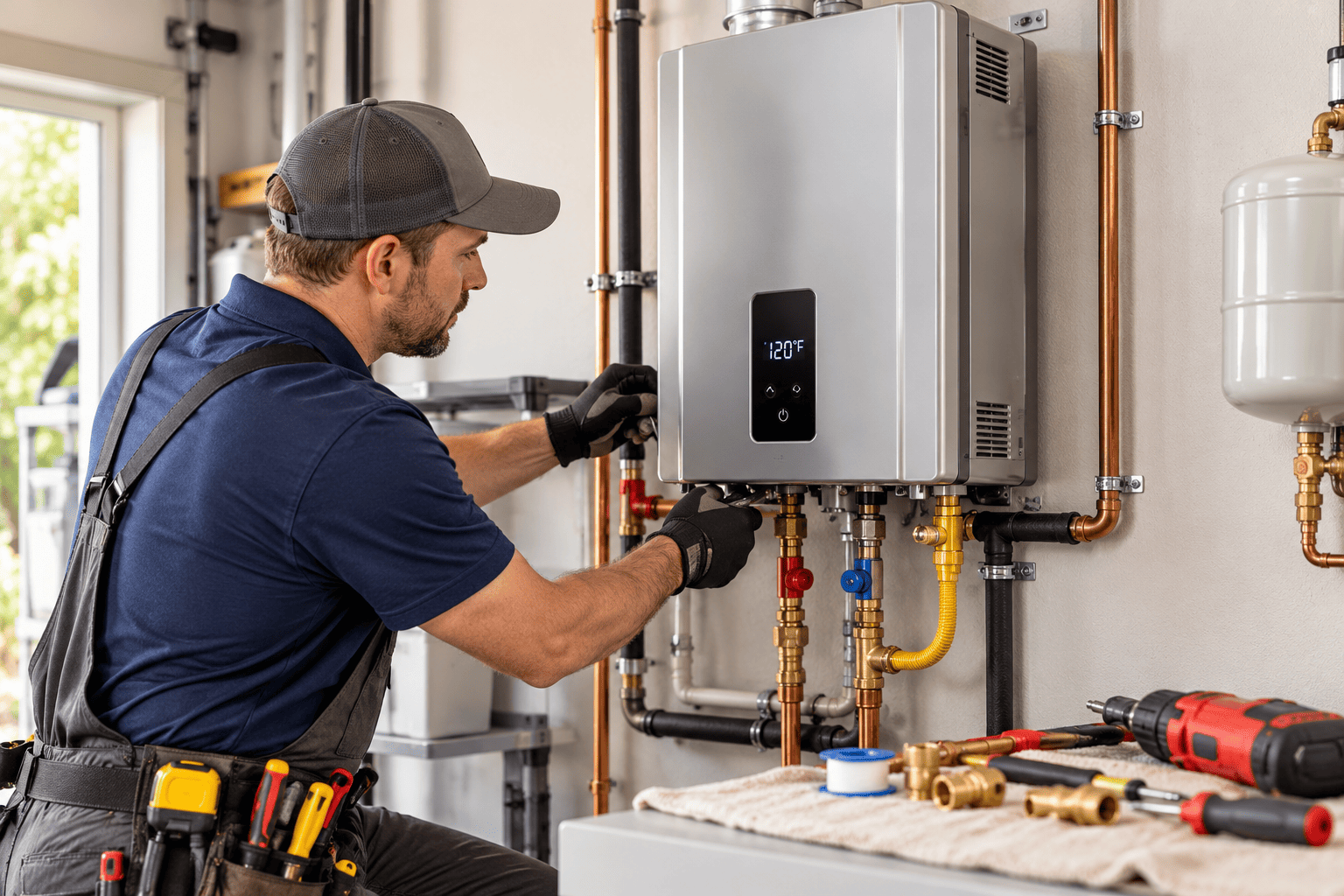
Plumbing plays a critical role in the successful installation and operation of your tankless water heater. Understanding local plumbing codes and ensuring proper venting and drainage are essential steps in the process.
Understanding Local Plumbing Codes
Familiarize yourself with Burleson's plumbing regulations to ensure compliance with local codes. Permits may be required for significant modifications or new installations, so it's important to verify these requirements ahead of time.
Professional installers are well-versed in local code requirements, offering guidance and expertise to navigate these regulations. Compliance ensures the safety and longevity of your tankless system, providing peace of mind for years to come.
Ensuring Proper Venting and Drainage
Proper venting is critical for gas systems, preventing carbon monoxide buildup and ensuring safe operation. Choose venting materials compatible with your tankless model to avoid issues down the line. Similarly, ensure drainage lines are correctly installed to prevent water damage.
Regularly check and maintain venting systems for optimal safety and efficiency. Proper venting and drainage are essential components of a well-functioning tankless water heater system.
Connecting Water Lines and Testing for Leaks
When connecting water lines, use high-quality connectors to ensure leak-free connections. Pressurize the system to check for leaks before finalizing the installation. Professional plumbers offer leak testing services for added assurance.
Regular maintenance should include inspecting connections to prevent future leaks. A well-maintained system will provide reliable performance and extend the lifespan of your tankless water heater.
Key Considerations for Electric vs. Gas Tankless Systems
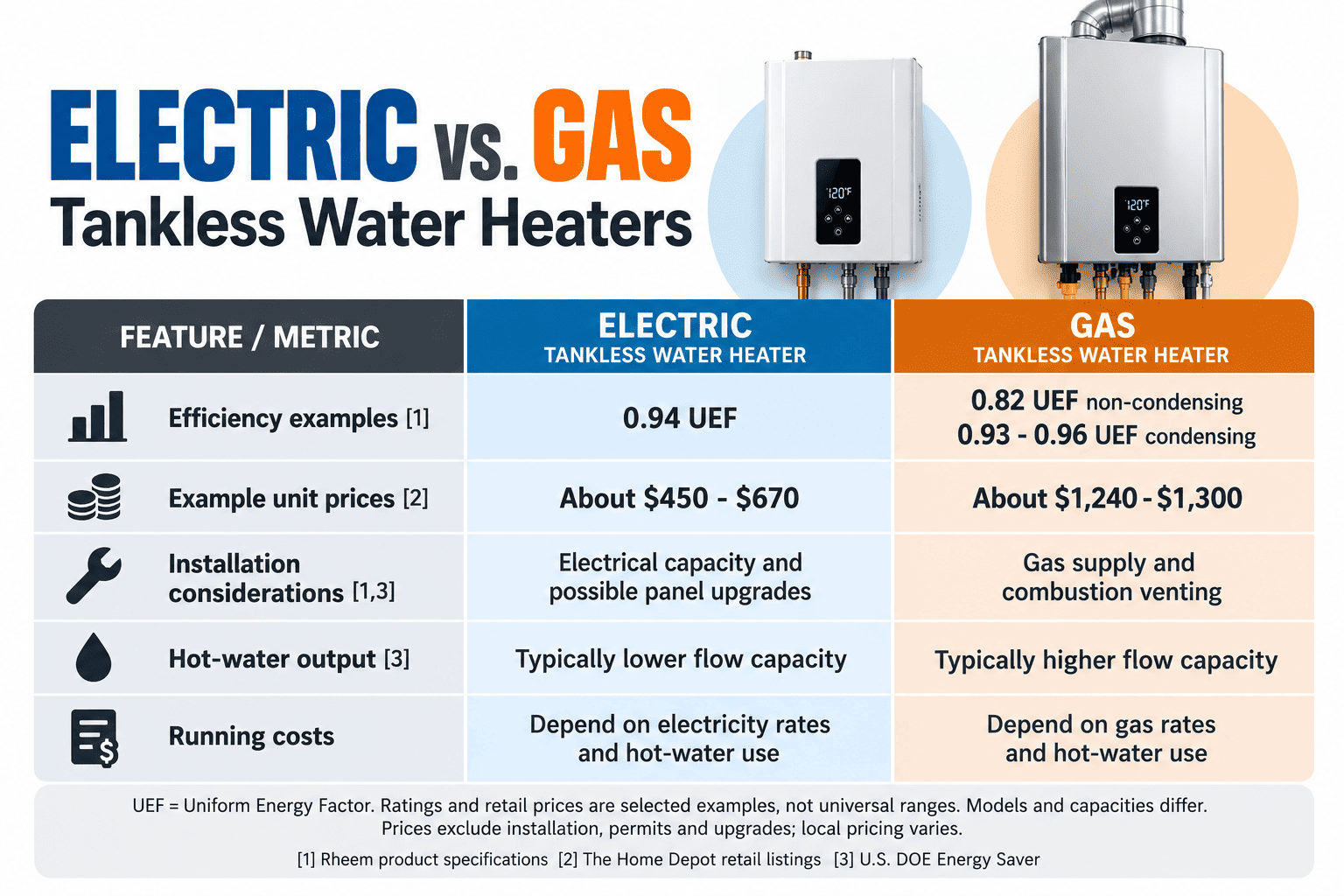
The choice between electric and gas tankless water heaters involves considerations of energy source availability, installation complexity, costs, and maintenance differences.
Evaluating Energy Source Availability
Assess your existing energy sources to determine the feasibility of electric or gas units. Gas units require proper venting and adequate gas supply connections, while electric units depend on sufficient electrical capacity and circuit availability.
Energy costs and availability play a significant role in your decision. Consider your home's existing infrastructure and potential upgrades needed for your chosen system.
Comparing Installation Complexity and Costs
Gas systems often involve more complex installations due to venting needs, while electric units may require electrical system upgrades for capacity. Installation costs vary based on energy source and system complexity.
Consider long-term savings when evaluating initial installation expenses. While upfront costs may be higher for certain systems, the long-term benefits and energy savings often justify the investment.
Understanding Maintenance Differences
Gas units may require more frequent maintenance due to venting systems, while electric models generally involve simpler maintenance routines. Regular descaling prevents mineral buildup in both gas and electric units.
Professional service ensures thorough maintenance and extends the lifespan of your tankless water heater. Understanding the maintenance requirements of your chosen system will help you plan for ongoing care and upkeep.
Common Questions About Tankless Water Heater Installations
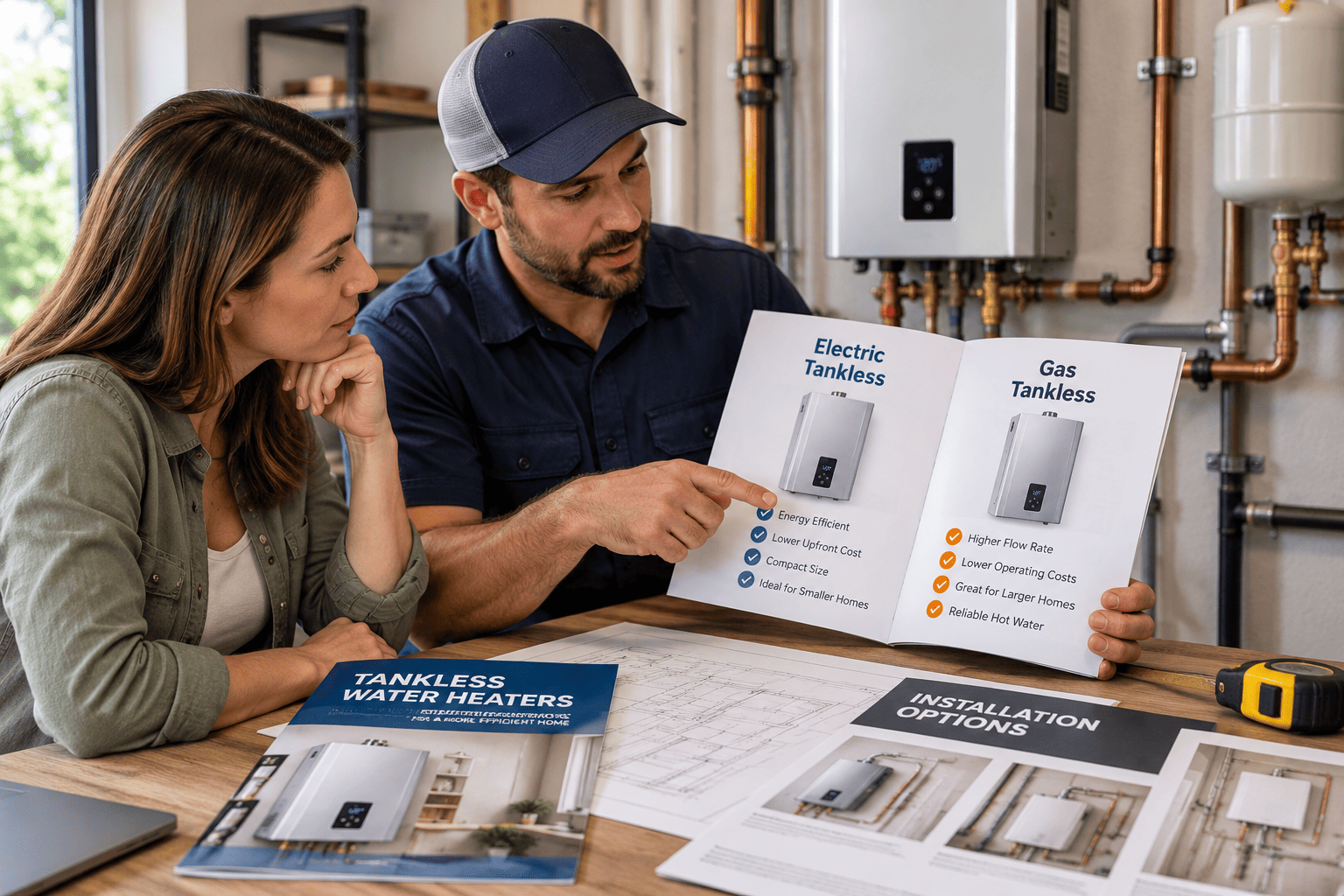
As you navigate the installation process, you may have questions about timing, lifespan, and available rebates for tankless water heaters.
How Long Does Installation Take?
Professional installation typically takes a few hours, depending on the complexity of the setup. DIY installations may take longer due to learning curves and troubleshooting. Preparation and planning can reduce installation time and potential delays.
Consult with installers for accurate time estimates based on your specific setup and requirements.
What is the Expected Lifespan of a Tankless Heater?
Tankless water heaters typically last 20 years or more with proper maintenance. Regular cleaning and descaling extend the lifespan of the unit, while quality brands offer durable components for long-term reliability.
Professional inspections catch issues early, prolonging the system's life. Investing in a high-quality tankless system ensures many years of efficient performance.
Are There Any Rebates Available?
Energy-efficient models often qualify for federal or state rebates, reducing the overall cost of energy-efficient installations. Local utility companies may offer incentives for upgrading to tankless systems, providing additional savings.
Research available programs to maximize savings on your purchase and take advantage of financial incentives for energy-efficient upgrades.
Maintaining Your Tankless Water Heater for Longevity
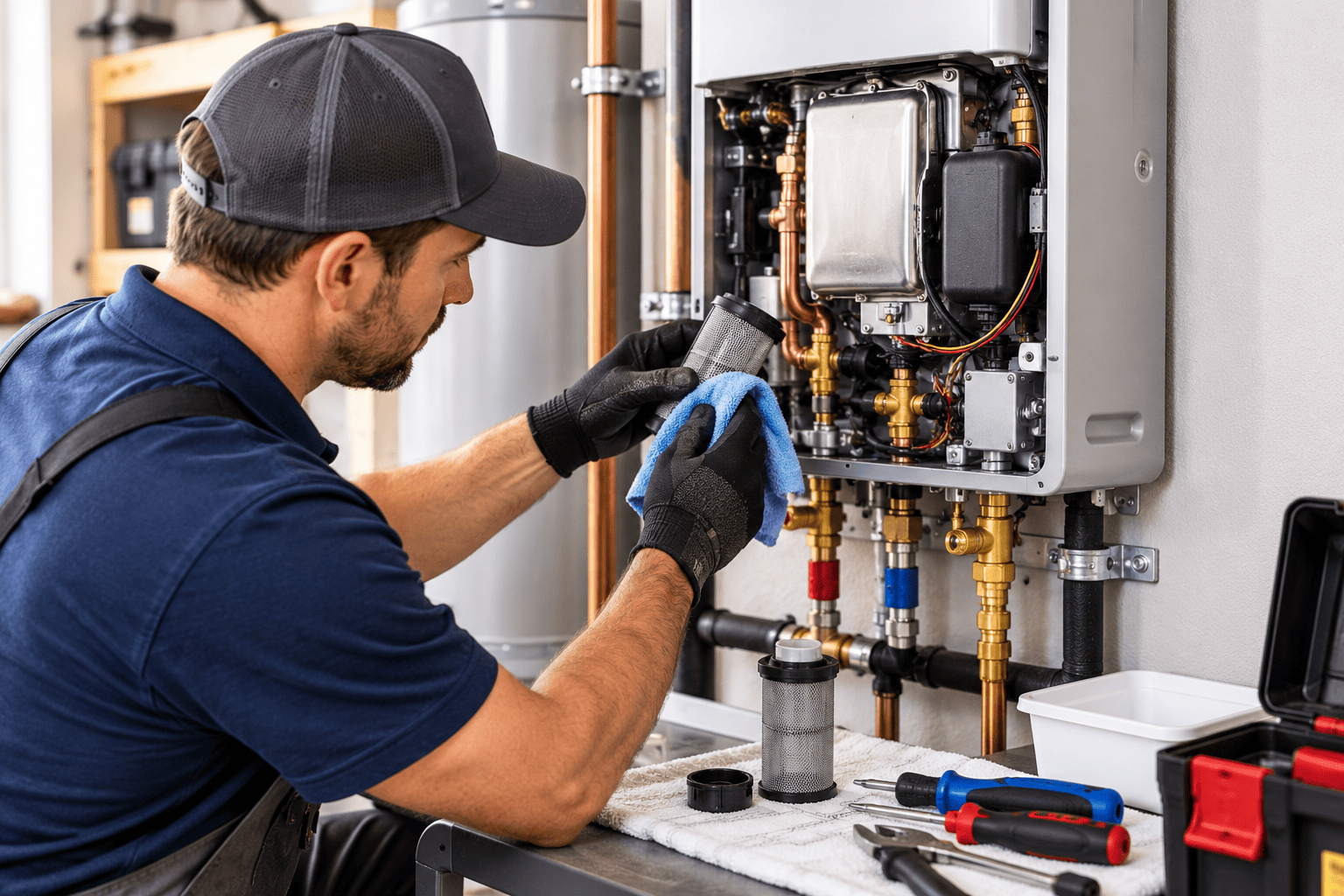
Proper maintenance is essential to ensure the longevity and efficient performance of your tankless water heater. Regular cleaning, monitoring for wear and tear, and scheduling annual professional inspections are key components of a successful maintenance routine.
Regular Cleaning and Descaling
Mineral buildup can affect the efficiency and performance of your tankless water heater over time. Scheduled descaling prevents damage to heating elements, ensuring optimal operation. Cleaning filters and screens maintains water quality and flow.
Follow manufacturer guidelines for specific maintenance instructions, and establish a regular maintenance schedule to keep your system running smoothly.
Monitoring for Wear and Tear
Regularly inspect components for signs of wear or damage. Address minor issues promptly to prevent costly repairs and maintain performance. Performance fluctuations may indicate potential problems needing attention.
Maintaining a maintenance log helps track service history and issues, providing valuable insights for ongoing care and upkeep.
Scheduling Annual Professional Inspections
Annual inspections identify potential issues before they escalate, ensuring thorough maintenance and efficiency. Service agreements offer regular maintenance for worry-free operation, while inspections validate warranty terms and conditions for continued coverage.
Professional checks provide peace of mind and ensure your tankless water heater remains in top condition for years to come.
Troubleshooting Common Tankless Water Heater Issues
Even with proper maintenance, you may encounter issues with your tankless water heater. Understanding how to troubleshoot common problems can help you resolve them quickly and efficiently.
Addressing Temperature Fluctuations
Temperature inconsistencies may indicate system calibration needs. Fluctuations often result from improper sizing or installation errors. Consult professionals to diagnose and resolve persistent issues, and refer to user manuals for troubleshooting tips and minor adjustments.
Fixing Water Pressure Problems
Low water pressure may stem from clogged filters or pipes. Correct pipe sizing ensures adequate water flow and pressure. Professional plumbers assess and address underlying pressure issues, while regular maintenance prevents pressure-related problems.
Dealing with Error Codes and System Alerts
Error codes guide users to specific issues needing attention. Manufacturer support lines offer assistance in deciphering codes, while user manuals provide step-by-step resolution instructions. Professional technicians resolve complex system alerts efficiently.
In conclusion, transitioning to a tankless water heater in Burleson, TX offers numerous benefits, from energy savings to endless hot water supply. By choosing the right model, preparing your home, and deciding on installation methods, you can enjoy a seamless transition to this modern technology. Maintenance and troubleshooting are key to ensuring the longevity and performance of your system. Are you ready to embrace the future of hot water heating and experience the comfort and efficiency a tankless water heater can bring to your home?
Upgrade Your Home With Professional Tankless Water Heater Installation in Burleson, TX
Ready to enjoy reliable hot water, improved energy efficiency, and more space in your home? Make the switch with professional tankless water heater installation in Burleson, TX, from KMP Plumbing, Heating & Air. Whether you're replacing an outdated water heater or upgrading to a modern tankless system, our experienced team can help you choose the right unit for your household and ensure a safe, efficient installation. From evaluating your home's plumbing requirements to providing dependable maintenance and repairs, KMP is here to help you get the most out of your investment. Contact KMP today to schedule your tankless water heater installation and start enjoying the benefits of hot water on demand!